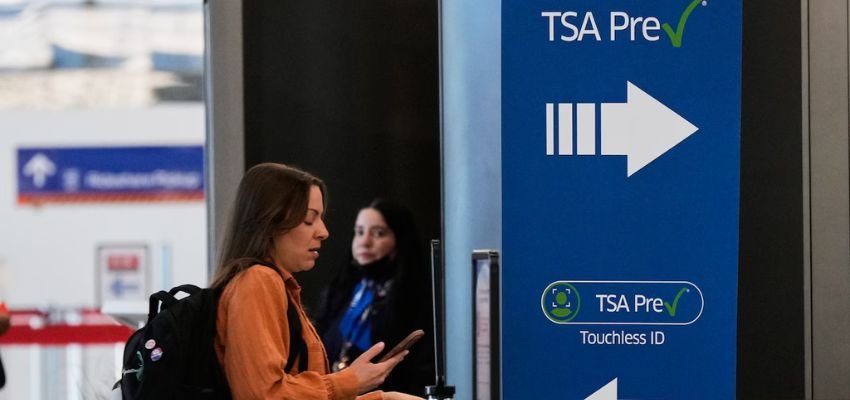
Getting stopped at airport security is not something on people’s checklists. One wrong item in your carry-on bag or a liquid bottle over the limit can lead to delays, extra screening, and even confiscation. At the same time, air travel in 2026 continues to evolve as airports and security agencies adopt new technologies to make the passenger experience safer and easier.
In the United States, the Transportation Security Administration (TSA) has introduced strict safety measures, making sure that millions of travelers move through airports efficiently every day. Being aware of these guidelines can help avoid delays, prevent items from getting seized, and save tons of money. This blog explains what are the new TSA airport rules for 2026, including liquid limits, carry-on regulations, and important security updates, before you head to the airport.
Real ID Requirement for Domestic Flights
Passengers flying with the United States must now carry a Real ID-compliant driver’s license. This requirement is part of the updated TSA security rules 2026 to strengthen identity verification and improve airport security procedures.
- A Real ID-compliant driver’s license is required for most domestic flights in the U.S.
- Real ID cards usually have a star symbol at the top corner to show that they meet federal security standards.
- Those without a Real ID can use other relevant documents, such as a valid passport.
- Anyone without proper identification can be charged a $45 fee, which is only acceptable for a 10-day travel period.
“We continue to encourage travelers who do not have REAL ID-compliant identification or acceptable IDs to take the time to make appointments at their state’s Department of Motor Vehicles,” said Steve Lorincz, TSA’s Acting Executive Assistant Administrator for Security Operations.
Liquid Restrictions for Carry-On Bags
One of the most common reasons flyers are stopped at the security is because they carry liquids that exceed the allowed limit. Under the TSA liquid rules 2026, strict regulations apply to liquids packed in carry-on luggage.
- Liquids in carry-on bags must follow the 3-1-1 rule.
- Each container must be 3.4 ounces (100 ml) or smaller.
- All liquid containers must fit inside one clear quart-size plastic bag.
- Certain items, like medications, baby formula, and breast milk, can be allowed in larger quantities.
Knowing these rules can help with the security check faster, and no items will be taken.
Electronics must be Screened Separately
Certain electronic items need to be removed from the carry-on bag and screened separately to ensure they are risk-free. Under the TSA prohibited item list 2026, spare lithium batteries are also banned from being kept in checked luggage, as they must be scanned clearly.
- Laptops, tablets, and large electronic devices should be removed from carry-on bags.
- All the devices need to be put in a separate basket for X-ray screening.
- Chargers and headphones can usually be kept in the bag.
- If anything appears unclear, a request for additional screening is possible.
Preparing electronics before reaching the security checkpoint can help the passengers move through the process faster.
Prohibited Item List in Carry-on Bags
TSA carry-on rules 2026 allow a few items to be strictly prohibited from being carried in the carry-on bags, as they could lead to safety risks during the flight.
Common banned items include:
- Firearms and ammunition
- Explosives or flammable materials
- Sharp weapons like knives or blades
- Heavy equipments or Large tools
- Pepper Sprays and other self-defense items (under some conditions)
One should always be aware of these restricted items because they could pose a threat and cause delays.
The ‘Shoes On’ Policy at Airport Security
The decade-long practice of removing shoes at security checkpoints has ended as new screening technology and advanced scanners have changed the rule. This requirement to remove shoes may still apply to some airports and individuals.
- Some airports using advanced screening technology may not require shoe removal in certain situations.
- If the scanner alarms and additional screening is required, the shoes will only be asked to be removed then.
- The officers have the authority to request shoe removal at any time during checking.
“We expect this change will drastically decrease passenger wait times at our TSA checkpoints, leading to a more pleasant and efficient passenger experience. As always, security remains our top priority,” said Secretary Kristi Noem, Homeland Security.
New Airport Security Technology
In the United States, new airport security rules in 2026 are being introduced that serve a paperless experience and are AI-driven. These ongoing improvements aim to make the waiting time even shorter for travelers.
Some new technologies being used include:
- CT Scanners that provide detailed images of carry-on baggage.
- Automated security lanes to improve the passenger queue.
- Biometric identification verification at certain checkpoints.
- The TSA is also expanding its Digital ID program, permitting travelers to use mobile driver’s licenses or digital identities stored on their phones.
Although technology is improving daily, passengers are still required to follow the usual new TSA airport rules during security checks.
Conclusion
The new TSA rules 2026 aim to improve airport security while making security checks quicker and easier, so passengers don’t have to wait long before boarding. Many regulations remain the same, such as liquid rules, but new technologies are being updated and advanced.
Those who prepare in advance are less likely to encounter issues at checkpoints. So, organize your documents and read the instructions to avoid complications and make your next trip smooth and efficient.
FAQs
Starting February 1, 2026, travelers without REAL ID-compliant identification will need to pay a $45 ‘TSA ConfirmID’ fee to pass through security checkpoints. Passengers must follow TSA rules for liquids, electronics, and restricted items during security checks.
No major change has been announced. The 3-1-1 liquid rules still apply to most carry-on luggage.
Yes, adults flying domestically must have a Real ID-compliant license or another valid document (passport).
Items such as firearms, explosives, sharp weapons, and in some cases, pepper sprays are prohibited from being carried in carry-on luggage.
Yes, all passengers departing from U.S. airports must adhere to TSA security rules, even when flying internationally.